
Energy Performance Certificates (EPCs) have moved from being a background admin requirement to something that can materially affect property decisions. They influence how landlords plan upgrades, how buyers judge running costs, and increasingly how lenders think about risk and pricing.
The headline change is the timeline. Landlords were previously working towards minimum EPC targets earlier in the decade, but policy has shifted to a longer runway, with a 2030 target now commonly referenced in industry discussions. That extension may reduce short-term pressure, but it also raises a fair question: does pushing deadlines back weaken the UK’s momentum on energy efficiency, or does it make compliance more achievable and therefore more likely to stick?
What Is an EPC and Why Does It Matter?
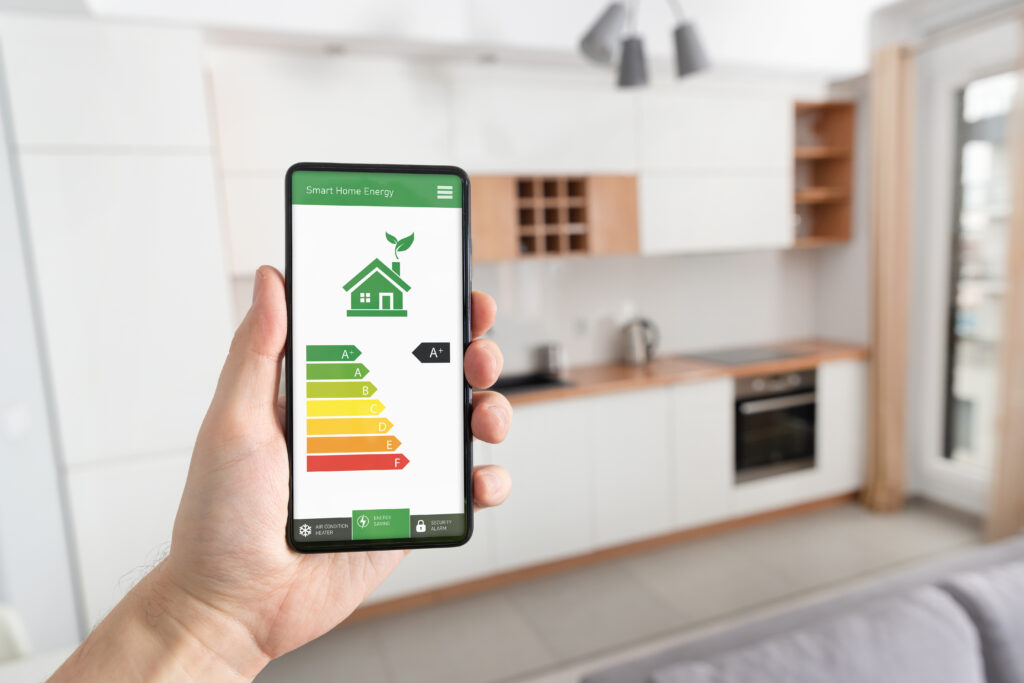
An EPC is an energy efficiency assessment for a property, shown on an A–G scale, where A is the most efficient and G is the least. It lasts for 10 years and is used across sales and lettings to give a standardised view of predicted energy performance.
In practice, EPCs matter because they sit at the intersection of three things:
- running costs for the occupant
- future marketability for the owner
- regulatory exposure for landlords
For landlords in particular, the risk isn’t only the cost of upgrades. It’s the possibility that a property becomes harder to let, harder to finance, or harder to sell if it falls behind expectations.
When Were EPCs Introduced?
EPCs were introduced in England and Wales in 2007 and remained a core part of the buying, selling and letting process even after Home Information Packs were later removed. Over time, EPCs have become a default reference point in property decisions, even though many consumers still treat them as a tick-box document.
What Information Does an EPC Provide?
An EPC gives an efficiency rating and typically includes recommended improvements. These recommendations can be useful, but they can also create a misleading sense of simplicity, because the real-world feasibility and cost varies significantly by property type and age.
Common examples of recommended measures include improved glazing, insulation upgrades, and heating system changes. The challenge is that the upfront costs can be substantial, and the payback period is not always short, especially where the works are complex or disruptive.
How EPC Ratings Are Assessed and Why Older Homes Are Complicated
The UK has an older housing stock than many countries, and a large proportion of homes were built long before modern efficiency standards. That matters, because the “typical” upgrade pathway is not always appropriate for period properties or homes built with traditional materials.
For some buildings, changes that look sensible on paper can introduce practical risks. Solid wall insulation, for example, can be beneficial in the right context, but done poorly it can create moisture issues and long-term fabric problems. That makes the quality of assessment and the suitability of recommendations just as important as the rating itself.
Are EPCs Accurate Enough for High-Stakes Decisions?
A growing criticism of EPCs is inconsistency. If the same home can receive meaningfully different inputs or assumptions between assessments, then the output rating becomes less reliable as a decision tool.
That matters because EPCs are increasingly used as a gatekeeper. If a certificate can influence lending, letting, or resale prospects, the tolerance for errors narrows. For homeowners and landlords, it also creates a confidence problem: if the rating does not reflect the reality of the building, it can lead to either unnecessary spend or missed priorities.
The Bigger Structural Issue: Cost Versus Carbon
Another tension is what EPCs primarily measure. EPCs focus on modelled energy costs and predicted efficiency, rather than directly measuring carbon emissions in a way that always maps cleanly onto environmental impact.
This can lead to awkward outcomes where a change improves the EPC score, but does not necessarily reduce carbon in the way people assume. It’s not that the framework has no value — it’s that it can sometimes reward the “right inputs” more than the “right outcomes”.
So, Do EPC Changes Harm the Climate Agenda?
Pushing deadlines out can cut both ways.
On the one hand, extending timelines risks slowing urgency and delaying retrofit programmes that the UK ultimately needs. It may also encourage a “wait and see” posture among some landlords, especially if they expect policy to shift again.
On the other hand, longer timelines can make targets more deliverable. If the route to compliance is realistic — financially, operationally, and practically — then uptake can improve. That can lead to better real-world outcomes than a tight deadline that triggers minimal compliance, rushed work, or early landlord exits.
The impact is likely to depend on what happens next. If deadlines are paired with clearer standards, better-quality assessments, and more practical support, then the shift could strengthen delivery rather than weaken it.
What We Should Expect Next
EPCs are unlikely to disappear. If anything, they will become more central to property decision-making, but the system will need to evolve to remain credible.
We are likely to see greater pressure for:
- improved assessment consistency and auditability
- clearer treatment of older and non-standard construction types
- a better link between EPC outcomes and true carbon reduction
- more workable funding or incentives, especially for costly retrofit measures
For landlords, the most practical approach is usually to plan early, prioritise measures with sensible payback, and avoid leaving upgrades to the final window. For homeowners, the key is future-proofing: an EPC that looks “fine” today may look less competitive in a market that increasingly prices in running costs and efficiency.
To learn more about EPC ratings, green mortgages, or making your home more energy-efficient, call us on 0808 149 8381 or enquire online today.